• May 14, 2026
  • Comments Off on Seerah of the Prophet Muhammad (SAW): A Timeless Guide for Humanity

Introduction

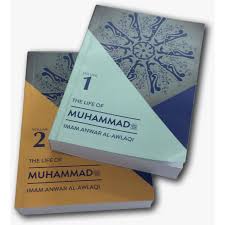
The Seerah (biography) of the Prophet Muhammad ﷺ is more than history—it is a complete way of life. It tells the story of the final Messenger of Allah, whose life was filled with truth, patience, mercy, leadership, and unwavering devotion to Allah.

Studying the Seerah helps Muslims strengthen their faith, improve their character, and understand how to apply Islam in everyday life.


Early Life: A Childhood of Honor and Trust

The Prophet Muhammad ﷺ was born in Makkah into the noble tribe of Quraysh. Before prophethood, he was known among his people as Al-Amin (The Trustworthy) because of his honesty and excellent character.

He was orphaned at a young age, first losing his father before birth and later his mother. Despite these hardships, Allah protected and guided him, shaping him into a leader of compassion and resilience.


The Beginning of Revelation

At the age of 40, while in the Cave of Hira, the Prophet Muhammad ﷺ received the first revelation through Angel Jibreel (Gabriel).

The message was simple but powerful:

“Read in the name of your Lord who created…”

This moment marked the beginning of Islam and the mission of calling humanity to the worship of Allah alone.


The Message of Islam

The core message of the Prophet Muhammad ﷺ was:

  • Worship Allah alone without partners
  • Establish justice and honesty in society
  • Show kindness, mercy, and respect to all people
  • Reject ظلم (oppression), corruption, and injustice

He called people to Islam with wisdom, patience, and compassion—even when faced with rejection and hostility.


Trials and Persecution

The early Muslims faced severe hardship in Makkah. The Prophet ﷺ and his companions endured:

  • Mockery and insults
  • Economic and social boycott
  • Physical persecution

Yet, the Prophet ﷺ remained patient and never responded with hatred. His perseverance became a model for all believers facing difficulties.


The Hijrah: A Turning Point

The migration (Hijrah) from Makkah to Madinah marked a major turning point in Islamic history. In Madinah, the Prophet ﷺ established:

  • A united Muslim community (Ummah)
  • A system of justice and governance
  • Peaceful coexistence among different tribes and religions

This event laid the foundation for an Islamic society built on justice, faith, and cooperation.


Leadership in Madinah

In Madinah, the Prophet Muhammad ﷺ became a spiritual leader, educator, judge, and statesman. His leadership was based on:

  • Mercy over oppression
  • Consultation (Shura)
  • Fairness and accountability
  • Respect for human dignity

He treated the poor, women, children, and even enemies with justice and compassion.


The Final Sermon

During his Farewell Pilgrimage, the Prophet ﷺ delivered his final sermon, emphasizing key principles:

  • The sanctity of life and property
  • Equality of all humans regardless of race or status
  • Rights of women
  • Holding firmly to the Qur’an and Sunnah

This sermon remains a universal declaration of human rights and moral guidance.


Legacy of Mercy

Allah describes the Prophet Muhammad ﷺ as:

“A mercy to all worlds.” (Qur’an 21:107)

His life continues to inspire billions of people across the world. The Seerah teaches us that true success lies in:

  • Strong faith in Allah
  • Good character
  • Service to humanity
  • Patience in hardship
  • Justice and compassion

Conclusion

The Seerah of the Prophet Muhammad ﷺ is not just a story—it is a living guide for personal, social, and spiritual development. Every Muslim is encouraged to study his life and reflect on how to apply his teachings in daily living.

By following his example, individuals and communities can achieve peace, unity, and true success in this life and the Hereafter.


Published by: An-Noor Islamic Media Network
Enlightening Hearts, Educating Minds, Elevating the Ummah

an-noormedia

Related Posts