

Comments Off on Hadith & Sunnah: The Living Guidance of Islam
Introduction
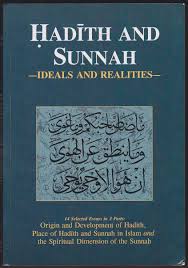
In Islam, the Qur’an is the ultimate divine revelation, and the Hadith and Sunnah of the Prophet Muhammad ﷺ are its practical explanation and real-life application.
Together, they form the complete guidance for Muslims in matters of worship, character, family life, business, and society.
Understanding Hadith and Sunnah helps a believer practice Islam correctly and live a life that pleases Allah.
What is Hadith?
Hadith refers to the recorded sayings, actions, approvals, and characteristics of the Prophet Muhammad ﷺ.
Each Hadith usually consists of two parts:
Isnad (chain of narrators) – the people who transmitted the report
Matn (text of the Hadith) – the actual saying or action
Hadith scholars carefully verified these reports to ensure authenticity and protect the teachings of Islam from distortion.
What is Sunnah?
Sunnah means the way, path, or lifestyle of the Prophet Muhammad ﷺ.
It includes:
His daily habits
His worship practices
His interactions with people
His moral and ethical behavior
While Hadith is the narration, Sunnah is the practical implementation of those teachings.
The Importance of Hadith & Sunnah in Islam
The Hadith and Sunnah are essential because they:
Explain how to perform Salah (prayer)
Clarify Qur’anic commands
Guide moral and social behavior
Provide solutions to new situations
Strengthen faith and spirituality
Without the Sunnah, many aspects of Islam would remain unclear or incomplete in practice.
Examples of Prophetic Teachings
The Prophet Muhammad ﷺ taught powerful lessons that shape a believer’s life:
“Actions are judged by intentions.” → Every deed depends on sincerity.
“None of you truly believes until he loves for his brother what he loves for himself.” → Promotes unity and selflessness.
“The best among you are those who have the best character.” → Emphasizes good manners and behavior.
These teachings are simple but deeply transformative.
Role of Hadith Scholars
Great Islamic scholars dedicated their lives to preserving Hadith. They:
Traveled long distances to collect narrations
Verified narrators’ trustworthiness
Classified Hadith into categories such as Sahih (authentic), Hasan (good), and Da’if (weak)
Compiled major Hadith collections used today
Their work ensures that Muslims can follow authentic teachings with confidence.
Applying Sunnah in Daily Life
Following the Sunnah means living like the Prophet ﷺ in everyday actions:
Speaking truthfully and kindly
Being honest in business
Showing mercy to family and neighbors
Helping the poor and needy
Maintaining cleanliness and discipline
Practicing patience during hardship
The Sunnah transforms ordinary life into worship.
Misunderstanding Hadith
It is important to approach Hadith with knowledge and caution:
Not all narrations are equally authentic
Context is important in understanding meaning
Scholars must be consulted for interpretation
Islam discourages spreading unverified information
This protects the integrity of the religion.
Conclusion
The Hadith and Sunnah are a complete roadmap for living Islam correctly. They bring the Qur’an to life through practical example and guide Muslims in every aspect of life.
By learning and following them sincerely, a believer strengthens their relationship with Allah and improves their character, family, and society.
Published by:An-Noor Islamic Media Network Enlightening Hearts, Educating Minds, Elevating the Ummah